
How Do I Start Rock Climbing?
In this guide, we'll explore the basics of this thrilling sport, from understanding the principles to finding your niche in outdoor or indoor climbing.

Know what to expect
Familiarize yourself with the physical demands of rock climbing
Before you start rock climbing, it's important to understand the physical demands involved. Rock climbing requires a combination of strength, flexibility, and endurance. You'll need upper body strength to pull yourself up and lower body strength for stability while scaling the wall. Flexibility is crucial for reaching holds in awkward positions, and endurance will help you sustain your energy throughout longer climbs.
Understand the potential risks involved in rock climbing
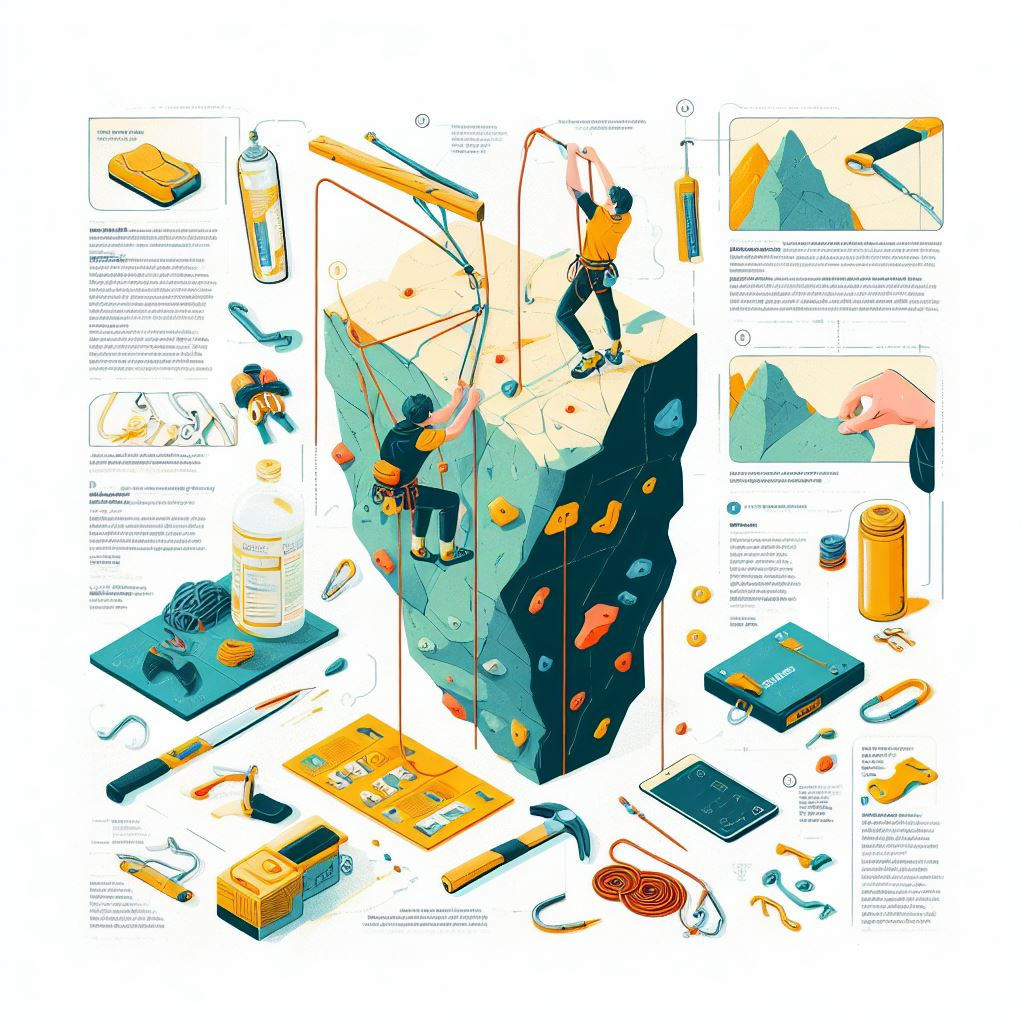
Rock climbing can be an exhilarating adventure, but it's essential to recognize the potential risks associated with this sport. Make sure you are aware of these risks and take proper safety measures to mitigate them. This includes using appropriate safety gear such as helmets, harnesses, and ropes. Learning proper techniques for belaying and rappelling is also crucial for your safety.
Prepare mentally for the challenges you may face on the wall
Rock climbing isn't just physically demanding; it can also present mental challenges. If you have a fear of heights, be prepared to confront that fear head-on. Route finding requires problem-solving skills as you navigate your way up the wall. Mentally preparing yourself for these challenges will help build confidence and resilience.
Gain insight into the time commitment required for regular practice
Becoming proficient in rock climbing takes time and dedication. It's important to understand that progress comes with consistent practice. Consider how much time you can commit each week to improve your skills. Regular practice will not only help you develop technical skills but also enhance your overall fitness level.
Knowing what to expect before starting rock climbing is essential for a successful journey in this sport. Understanding the physical demands, potential risks, mental challenges, and time commitment required will set you up for a fulfilling experience on the walls.
Choose a type of climbing
To start your rock climbing journey, the first step is to choose a type of climbing that suits your preferences and goals. There are various options to consider, each offering a unique experience. Let's explore some of them:
Bouldering
Bouldering involves climbing shorter routes without ropes or harnesses, usually on large boulders or artificial walls. It focuses on strength, technique, and problem-solving skills.
Sport Climbing
Sport climbing entails ascending routes that have been pre-equipped with bolts for protection. It combines physical endurance with technical skill as you navigate challenging routes.
Trad Climbing
Trad climbing (short for traditional) emphasizes placing removable gear like cams and nuts to protect yourself as you climb. It requires knowledge of anchor systems and advanced rope management skills.
Indoor Climbing
If you prefer a controlled environment, indoor climbing at a gym is an excellent option. It allows you to practice different techniques, build strength, and improve your skills before venturing outdoors.
When selecting a type of climbing, consider factors such as difficulty level, equipment requirements, and whether you prefer outdoor or indoor settings. Research popular destinations for each type to help narrow down your options based on accessibility and personal interests.
Seek advice from experienced climbers or instructors who can guide you in choosing the best type of climbing based on your goals and abilities. They can provide valuable insights into the different styles and help you make an informed decision.
Remember, starting rock climbing is about finding what resonates with you personally. So take your time exploring the various types available before embarking on this exciting adventure!
Scope out intro courses
If you're wondering how to start rock climbing, one of the best ways is to scope out introductory courses. These courses are specifically designed for beginners like you who want to get a taste of this exciting sport. Here are some key points to consider when looking for an intro course:
Find local gyms or outdoor centers
Start by researching local gyms or outdoor centers in your area that offer introductory courses in rock climbing. These facilities often have experienced instructors who can guide you through the basics and help you build a solid foundation.
Essential skills covered
Look for courses that cover essential skills such as knot tying, belaying techniques, basic movement on vertical terrain, and safety protocols. These skills are crucial for your safety and enjoyment while climbing.
Compare course durations and costs
Take the time to compare course durations and costs. Some intro courses may span a few days, while others may be condensed into a single session. Consider your schedule and budget constraints when making a decision.
Instructor qualifications/experience
Check the qualifications and experience of the instructors leading the course. Look for certifications or relevant experience in rock climbing instruction. This will ensure that you receive quality guidance from knowledgeable professionals.
Read reviews or seek recommendations
Before finalizing your choice, read reviews or seek recommendations from fellow climbers who have taken similar introductory courses. This will give you insights into the reputation and effectiveness of different course providers.
By scoping out these intro courses, you'll gain valuable knowledge and skills to kickstart your rock climbing journey safely and confidently.
Learn the lingo and route grades
To start rock climbing, it's important to familiarize yourself with the unique language used in this sport. Learning the lingo will not only help you communicate effectively with other climbers but also enhance your understanding of techniques and challenges. Here are some key terms to get you started:
Familiarize yourself with common terms
"Crux": The most difficult part of a climbing route.
"Beta": Information or advice about how to complete a specific climb.
"Dyno": A dynamic move that requires jumping or lunging between holds.
"Jug": A large, easy-to-grip hold.
Understanding route grades is essential for gauging the difficulty level of climbs and setting realistic goals. Different grading systems are used depending on the type of climbing you're doing. Here are two commonly used systems:
Yosemite Decimal System (YDS)
Used for rating difficulty in traditional rock climbing routes, YDS uses a numerical scale ranging from 5.0 (easiest) to 5.15 (most challenging). Each decimal point represents an increase in difficulty.
Fontainebleau Scale (Bouldering)
This system is specifically designed for bouldering, which involves shorter climbs without ropes. Grades range from VB (easiest) to 8C+ (most difficult), using both letters and numbers.
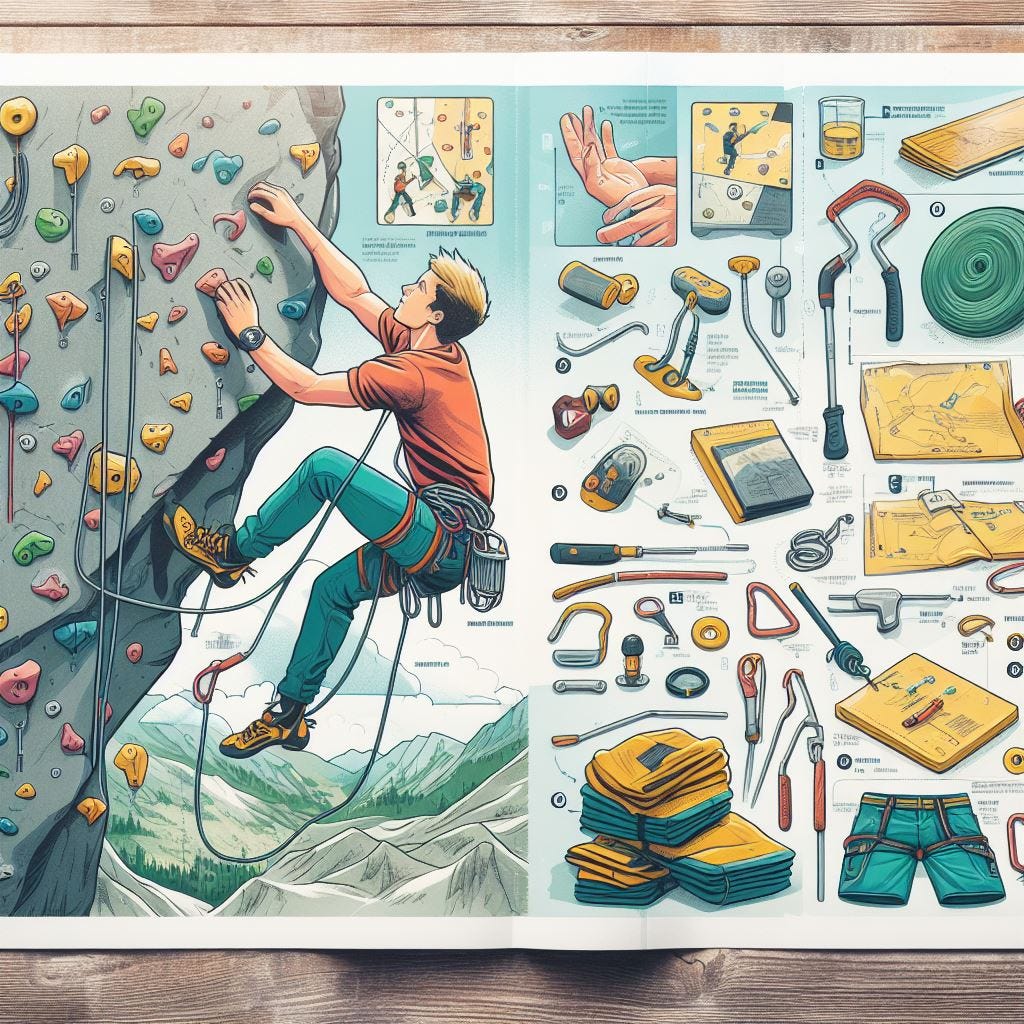
To learn more about specific lingo and grading nuances, engage with the climbing community through forums or social media platforms dedicated to rock climbing enthusiasts. These platforms provide valuable insights, tips, and discussions where you can expand your knowledge.
Studying guidebooks or online resources that explain route grades and their corresponding challenges will also help you understand what to expect as you progress in your climbing journey. This knowledge will enable you to set achievable goals and track your improvement over time.
Remember, learning the lingo and understanding route grades are crucial first steps in starting your rock climbing adventure. So, grab your gear and get ready to conquer new heights!
Get the gear you need
Now that you know what to expect, have chosen a type of climbing, scoped out intro courses, and learned the lingo and route grades, it's time to get the gear you need. Investing in high-quality equipment is essential for your safety and enjoyment while rock climbing. Start with the basics: climbing shoes, harness, helmet, and a chalk bag. These items will provide you with the necessary support, protection, and grip during your climbs.
To ensure you make the right choices when purchasing gear, do some research on reputable brands and read reviews from experienced climbers. Visit your local outdoor store or check online retailers for a wide selection of climbing gear options. Remember to prioritize safety over aesthetics or cost when making your purchases.

FAQs
What are some recommended brands for climbing shoes?
There are several trusted brands in the market. Some popular options include La Sportiva, Scarpa, Five Ten (now known as Adidas Outdoor), Evolv, and Black Diamond. Each brand offers different models suited for various types of climbing styles and foot shapes. It's important to try on different pairs to find the one that fits comfortably and provides adequate performance for your needs.
How often should I replace my climbing rope?
The lifespan of a climbing rope depends on several factors such as frequency of use, type of climbing done (indoor or outdoor), exposure to harsh elements like sun or moisture, and proper care taken. As a general guideline, most climbers replace their ropes every 2-3 years if they climb regularly or after significant wear and tear is observed (e.g., fraying strands or core damage). However, always inspect your rope before each climb for any signs of damage or weakness regardless of its age.
Can I rent climbing gear instead of buying it?
Yes! If you're just starting out or unsure about committing to purchasing expensive gear, many climbing gyms and outdoor stores offer rental options. Renting gear allows you to try different equipment before investing in your own. However, keep in mind that rental gear may not always be in the best condition or tailored specifically to your needs. If you find yourself enjoying climbing and wanting to pursue it long-term, it's recommended to eventually invest in your own gear for safety, comfort, and consistency.
What is the difference between sport climbing and traditional (trad) climbing?
Sport climbing involves ascending pre-placed bolts on a rock face using quickdraws and a rope for protection. Trad climbing, on the other hand, requires placing protective gear such as cams or nuts into cracks or fissures of the rock as you climb. Sport climbing is generally considered less complex and more accessible for beginners since the protection points are already fixed. Trad climbing demands more technical knowledge and experience in placing gear correctly.
Are there any age restrictions for rock climbing?
While there are no strict age restrictions for rock climbing, younger climbers should be supervised by experienced adults or instructors who can ensure their safety. Many indoor climbing gyms have specific programs designed for children as young as 4 years old. Outdoor guiding services may also have age requirements based on the difficulty level of climbs or insurance policies. It's essential to check with local facilities or instructors to determine any specific guidelines regarding age limits before participating in rock climbing activities with minors.
How do I prevent blisters while rock climbing?
Blisters can be a common occurrence when starting out in rock climbing due to friction between your skin and the equipment like shoes or harnesses. To prevent blisters, make sure your shoes fit properly without excessive tightness or looseness that could cause rubbing. Wearing thin socks made of moisture-wicking materials can help reduce friction as well. Applying sports tape or specialized blister prevention products to areas prone to rubbing can provide extra protection during climbs. Regularly moisturizing your hands can also help maintain the skin's resilience and reduce the likelihood of blisters forming.